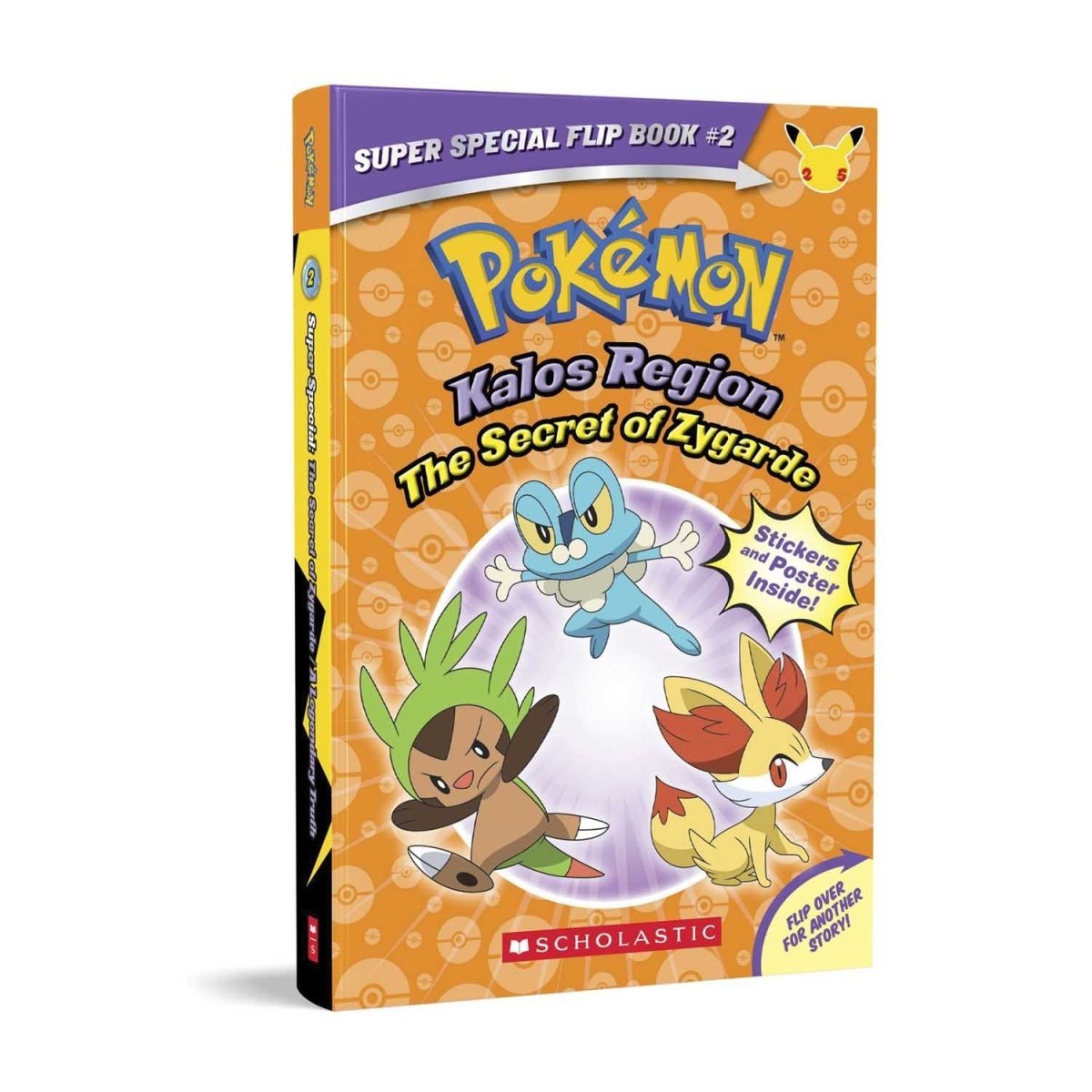
Ready for a deep dive into the Pokémon world? We're taking a look at Generation 5 & 6: Unova & Kalos Pokémon Totals, dissecting exactly how many new creatures emerged from these two distinct regions and what made their debuts so impactful. From the bustling metropolises of Unova to the picturesque landscapes of Kalos, these generations brought fresh gameplay mechanics, a slew of unforgettable Pokémon, and fundamentally shifted the competitive landscape.
Let's cut right to the chase and explore the numbers that defined these eras.
At a Glance: Unova & Kalos Pokémon Totals
- Generation 5 (Unova): Introduced a massive 156 brand-new Pokémon.
- Generation 6 (Kalos): Introduced 71 new Pokémon, a more focused roster.
- Combined Total: Generations 5 and 6 collectively added 227 unique Pokémon to the ever-growing National Pokédex.
- Key Innovations: Unova brought a "soft reboot" with only new Pokémon available initially, while Kalos introduced the Fairy type and the powerful Mega Evolution mechanic.
- Regional Feel: Unova drew inspiration from New York City, offering a mature, metropolitan vibe; Kalos was famously inspired by France, emphasizing beauty and high fashion.
Stepping Into Unova: The Bold Vision of Generation 5
Generation 5, set in the Unova region, wasn't just another new installment; it was a deliberate statement. Released with Pokémon Black and White (2010/2011), this generation marked a significant departure from previous games by initially restricting players to an entirely new set of Pokémon. This design choice created a "soft reboot" feel, forcing veteran players to adapt and discover a fresh roster without relying on their old favorites. It was a bold move that aimed to recapture the magic of encountering every Pokémon for the very first time.
The Unova Count: A Generation of Expansion
When the dust settled, Generation 5 introduced an impressive 156 new Pokémon. This was the largest number of new Pokémon introduced in a single generation since Generation 1, showcasing a commitment to expanding the universe with diverse and innovative designs. From the adorable Grass-type Snivy to the formidable Legendary Kyurem, Unova's roster truly had something for everyone.
This generation kicked off with Victini (National Pokédex #494) and concluded with Genesect (National Pokédex #649). Every single Pokémon introduced in Unova was an original design, not an evolution or pre-evolution of an existing Pokémon from a prior region. This focus meant that early gameplay felt incredibly fresh, as every encounter was a new discovery.
What Made Unova Unique? Beyond the Numbers
Unova wasn't just about raw numbers; it also introduced several gameplay mechanics and design philosophies that left a lasting impact:
- Seasonal Cycles: For the first time, the game incorporated a dynamic seasonal cycle that changed the landscape, available Pokémon, and even specific events.
- Triple and Rotation Battles: These complex battle formats challenged players to think strategically about team composition and positioning, adding new layers to competitive play.
- Darker Themes: Black and White explored more mature narrative themes, touching on philosophical debates about the liberation of Pokémon and the nature of truth and ideals. Team Plasma's motivations, particularly N's journey, offered a more nuanced antagonist than previous games.
- Dream World: Though now defunct, the Pokémon Global Link's Dream World allowed players to interact with Pokémon in a unique online environment and catch Pokémon with their hidden abilities.
The sheer volume of new Pokémon, combined with these innovative features, made Unova a memorable and often divisive generation. It asked players to embrace the new, and in doing so, offered a rich, expansive experience unlike any before it.
Journeying Through Kalos: Elegance and Evolution in Generation 6
Just a few years after Unova, trainers were invited to the captivating Kalos region with the release of Pokémon X and Y in 2013. This generation brought Pokémon to life in a fully 3D world for the first time on handheld consoles, a monumental leap that redefined the visual experience. Kalos, inspired by France, presented a region brimming with elegance, historical landmarks, and a distinct flair for fashion.
The Kalos Count: Quality Over Quantity
In contrast to Unova's massive expansion, Generation 6 introduced a more concise roster of 71 new Pokémon. This number, while smaller, was incredibly impactful, featuring some truly iconic designs that quickly became fan favorites. From the endearing Chespin, Fennekin, and Froakie to powerful Legendaries like Xerneas and Yveltal, Kalos's Pokémon felt meticulously crafted.
The Kalos Pokédex begins with Chespin (National Pokédex #650) and concludes with Volcanion (National Pokédex #720), as confirmed by official sources like Pokémon Fandom. The introduction of these Pokémon coincided with significant changes that reverberated throughout the entire franchise.
What Made Kalos Revolutionary? The Dawn of New Types and Forms
Despite a smaller new Pokémon count, Generation 6 was arguably one of the most transformative in terms of gameplay mechanics and competitive balance:
- The Fairy Type: This was perhaps the single most impactful addition, as the new Fairy type provided a much-needed counter to the previously dominant Dragon-type Pokémon. This fundamental shift forced players to rethink their team compositions and opened up entirely new strategies in battle. Beloved Pokémon like Sylveon quickly became emblems of this new type.
- Mega Evolution: Introduced as a temporary power-up during battle, Mega Evolution allowed certain Pokémon to unleash incredible new forms and abilities. This mechanic breathed new life into older Pokémon, giving them competitive relevance and exciting players with dynamic transformations. From Mega Charizard X and Y to Mega Mewtwo, these powerful forms instantly became central to the competitive scene.
- Customization: For the first time, players could customize their trainer's appearance, choosing outfits, hairstyles, and accessories. This added a layer of personal expression that many fans had long desired.
- Player Search System (PSS): Kalos streamlined online interactions, making it easier than ever to battle, trade, and communicate with other players around the world.
Kalos proved that a generation's impact isn't solely measured by the number of new creatures it introduces. Its groundbreaking mechanics and visual overhaul fundamentally reshaped the Pokémon experience, setting the stage for future generations to build upon.
Comparing the Generations: A Tale of Two Philosophies
Looking at Generation 5 and 6 side-by-side reveals two distinct approaches to evolving the Pokémon franchise.
- Unova (Generation 5): The "Reboot" Generation
- Focus: Massive expansion of the Pokédex with all-new designs.
- Impact: Challenged players to discover and adapt to a completely fresh roster.
- Philosophy: Emphasized narrative depth and unique gameplay modes like seasonal changes and new battle styles.
- Total New Pokémon: 156
- Kalos (Generation 6): The "Revolution" Generation
- Focus: Introducing game-changing mechanics and a smaller, curated set of new Pokémon.
- Impact: Rebalanced the competitive meta with the Fairy type and breathed new life into old favorites with Mega Evolution.
- Philosophy: Prioritized visual fidelity (3D models), player customization, and streamlined online play.
- Total New Pokémon: 71
Together, these generations added a significant chunk to the overall Pokémon count. If you're curious about how these numbers stack up against the entire history of the franchise, you might be interested in a broader look at how many Pokémon were introduced in each generation. It's fascinating to see the ebb and flow of new Pokémon counts over the decades.
Why Do These Numbers Matter? The Impact on Gameplay and Lore
Understanding the Pokémon totals for Unova and Kalos isn't just about trivia; it helps us appreciate the evolving design philosophies behind the franchise.
The decision to introduce 156 Pokémon in Unova speaks to a desire to reinvigorate the sense of wonder and discovery, almost like starting a new series within the existing framework. For many, Black and White felt like a true adventure into the unknown.
Conversely, Kalos's more modest 71 new Pokémon allowed the developers to dedicate resources to developing complex new mechanics like Mega Evolution and the Fairy type. These additions weren't just superficial; they completely re-contextualized existing Pokémon and opened up countless new strategic possibilities. This was a generation focused on refining and revolutionizing the core battle system.
Both approaches ultimately contributed to the rich tapestry of the Pokémon world, ensuring that each new region felt distinct and offered fresh challenges and excitement.
Frequently Asked Questions About Unova & Kalos Pokémon
Q: Why did Generation 5 introduce so many more Pokémon than Generation 6?
A: Generation 5 (Unova) aimed for a "soft reboot" experience, initially limiting players to only newly introduced Pokémon. This required a larger pool of new creatures to ensure variety and depth in the early game. Generation 6 (Kalos), while also introducing new Pokémon, prioritized implementing groundbreaking mechanics like Mega Evolution and the Fairy type, which had a broader impact on the existing roster.
Q: Which generation introduced the Fairy-type Pokémon?
A: The Fairy type was first introduced in Generation 6 (Kalos) with Pokémon X and Y. This new type was specifically designed to balance the competitive metagame, particularly by providing a strong counter to the dominant Dragon type.
Q: Were there any new evolutions for older Pokémon in Unova or Kalos?
A: In Generation 5 (Unova), all 156 Pokémon were entirely new species, with no new evolutions or pre-evolutions for existing Pokémon from previous generations. Generation 6 (Kalos) did introduce a new evolution for an existing Pokémon: Sylveon, a Fairy-type Eeveelution. Additionally, Mega Evolution offered temporary new forms for many older Pokémon.
Q: How many legendary Pokémon were introduced in each generation?
A:
- Unova (Generation 5): Introduced a significant number of Legendary and Mythical Pokémon, including the mascot Legendaries Reshiram, Zekrom, and Kyurem, as well as the Forces of Nature (Tornadus, Thundurus, Landorus), Victini, Keldeo, Meloetta, and Genesect.
- Kalos (Generation 6): Introduced Xerneas, Yveltal, and Zygarde as its main Legendaries, alongside the Mythical Pokémon Diancie, Hoopa, and Volcanion.
Q: Did Kalos introduce any new regional forms of existing Pokémon?
A: No, the concept of regional forms (like Alolan or Galarian forms) was introduced much later, starting with Generation 7 in the Alola region. Both Unova and Kalos introduced entirely new Pokémon or new evolutions/forms that were tied to their specific generation's mechanics (like Mega Evolution).
Your Next Adventure: Reflecting on Pokémon's Evolving World
Whether you favor the expansive roster of Unova or the revolutionary mechanics of Kalos, both generations played crucial roles in shaping the Pokémon franchise as we know it today. The total of 227 new Pokémon across these two regions represents a significant expansion of the Pokémon universe, each creature bringing its own unique charm, challenges, and strategic depth.
The evolution of Pokémon isn't just about counting new species; it's about the ever-changing landscape of gameplay, narrative, and competitive strategy. As you continue your own Pokémon journey, take a moment to appreciate the distinct legacies left by the developers' bold vision for Unova and the elegant innovations of Kalos.